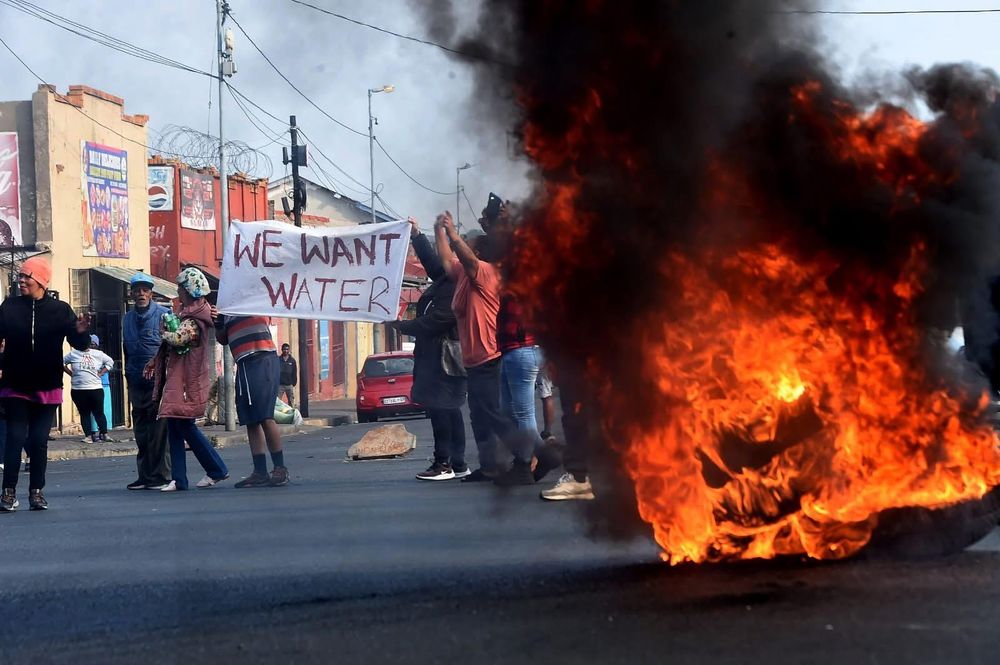
In South Africa’s rapidly changing operational environment, businesses are no longer disrupted only by major national crises. Increasingly, operational losses are being driven by localized protests, route disruptions, labour unrest, criminal activity, infrastructure failures, and community instability that escalate with little notice.
For many organizations, the real challenge is not the incident itself , it is the failure to detect warning signs early enough to prepare.
This is where early warning intelligence becomes a critical operational tool rather than a luxury.
The Lesson from South Africa’s 2021 Civil Unrest
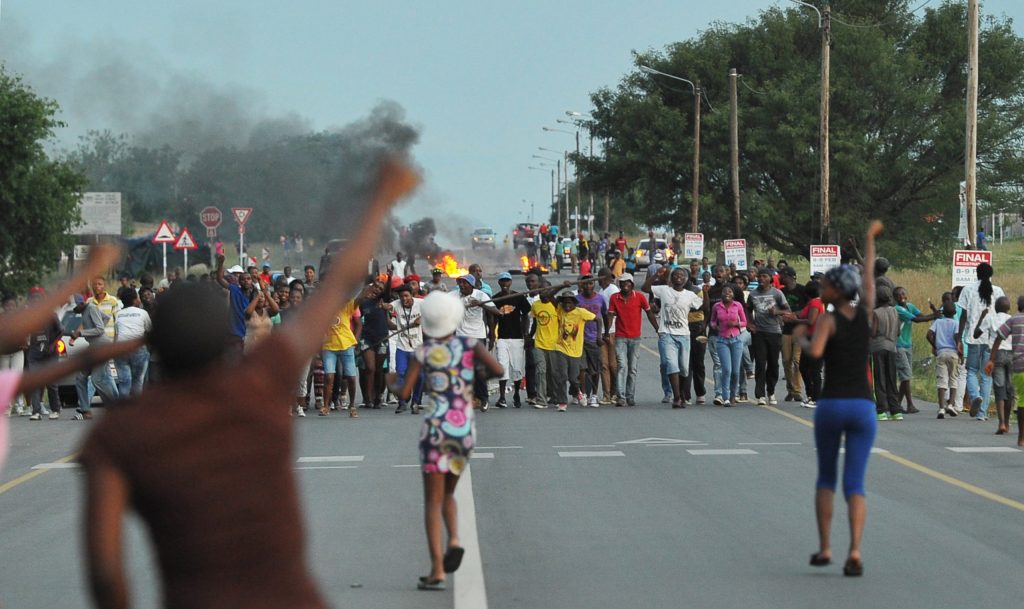
The July 2021 unrest in South Africa demonstrated how quickly operational environments can deteriorate when warning indicators are underestimated or ignored.
Before the unrest escalated, there were already signs of growing tensions:
• Increasing social media mobilisation
• Public calls for shutdowns and protests
• Community instability
• Growing disruptions along key transport routes
• Escalating political and social tensions
Yet many businesses were still caught unprepared when widespread looting, violence, route blockages, and supply chain disruptions unfolded across KwaZulu-Natal and Gauteng.
The consequences were severe:
• Warehouses and retail facilities were destroyed
• Major transport routes were disrupted
• Fleet operations were halted
• Security teams were overwhelmed
• Businesses suffered billions in losses
• Supply chains experienced widespread disruption
For security and logistics operators, the unrest exposed a harsh reality:
Reactive operations are no longer enough in South Africa’s risk environment.
Organizations with stronger situational awareness, proactive monitoring, and operational contingency planning were able to respond faster, protect assets more effectively, and reduce operational exposure.
The events of 2021 reinforced a critical lesson:
Early warning intelligence can significantly improve operational resilience during periods of instability.
The Reality Facing Security and Logistics Teams
Security and logistics operations remain under constant pressure to maintain continuity while navigating unpredictable risks.
Security teams must manage:
• Protest-related disruptions
• Facility threats
• Route security concerns
• Crowd management risks
• Unplanned operational escalations
• Delayed incident response
At the same time, logistics and fleet operators face:
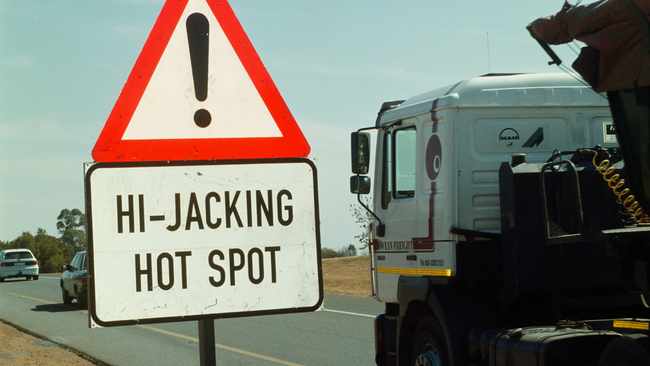
• Hijacking hotspots
• Delivery delays
• Route closures
• Fuel losses caused by rerouting
• Driver safety risks
• Supply chain interruptions
• Increased insurance and operational costs
The common factor in many of these incidents is that warning indicators often existed beforehand , but were either missed, ignored, or received too late to act effectively.
The Cost of Reactive Operations
Many businesses still operate reactively:
An incident occurs first, then teams respond afterward.
While response capability remains important, relying only on reaction creates several hidden costs:
- Operational Downtime
A single blocked route, protest action, or security incident can delay deliveries, interrupt production schedules, and affect client commitments. - Increased Exposure to Crime
Security threats such as opportunistic theft, cargo hijackings, and unrest-related criminality often increase during periods of instability. Without early visibility, teams are deployed into high-risk environments unprepared. - Poor Resource Allocation
When organizations lack real-time risk awareness, they often deploy security personnel, fleet assets, or operational teams inefficiently , increasing costs while reducing effectiveness. - Reputational Damage
Clients expect reliability. Repeated operational disruptions weaken confidence and may damage long-term business relationships. - Decision-Making Under Pressure
Without early warning systems, leadership is forced to make operational decisions during active crises instead of preparing beforehand.
Why Early Warning Intelligence Matters
Early warning intelligence provides organizations with time , and time is one of the most valuable assets during operational disruptions.
Proactive monitoring allows businesses to:
• Identify developing threats before escalation
• Monitor protest activity and route disruptions
• Adjust operational deployments early
• Protect personnel and assets
• Improve communication during incidents
• Reduce unnecessary exposure to high-risk areas
• Maintain operational continuity
For logistics operators, this may mean rerouting vehicles before roads are blocked.
For security teams, it may mean increasing readiness before unrest reaches critical levels.
For executives, it means making informed operational decisions with situational awareness rather than assumptions.
South Africa’s Risk Environment Requires Proactive Thinking
South Africa’s operating environment remains highly dynamic. Businesses can no longer rely solely on traditional incident response models.
The organizations that adapt successfully are those that:
• Prioritize visibility
• Monitor emerging risks continuously
• Integrate intelligence into operational planning
• Treat early warnings as part of business continuity strategy
Operational resilience today depends not only on how organizations respond to incidents , but how early they see them coming.
While response capability remains important, relying only on reaction creates several hidden costs:
- Operational Downtime
A single blocked route, protest action, or security incident can delay deliveries, interrupt production schedules, and affect client commitments. - Increased Exposure to Crime
Security threats such as opportunistic theft, cargo hijackings, and unrest-related criminality often increase during periods of instability. Without early visibility, teams are deployed into high-risk environments unprepared. - Poor Resource Allocation
When organizations lack real-time risk awareness, they often deploy security personnel, fleet assets, or operational teams inefficiently , increasing costs while reducing effectiveness. - Reputational Damage
Clients expect reliability. Repeated operational disruptions weaken confidence and may damage long-term business relationships. - Decision-Making Under Pressure
Without early warning systems, leadership is forced to make operational decisions during active crises instead of preparing beforehand.
Why Early Warning Intelligence Matters
Early warning intelligence provides organizations with time , and time is one of the most valuable assets during operational disruptions.
Proactive monitoring allows businesses to:
• Identify developing threats before escalation
• Monitor protest activity and route disruptions
• Adjust operational deployments early
• Protect personnel and assets
• Improve communication during incidents
• Reduce unnecessary exposure to high-risk areas
• Maintain operational continuity
For logistics operators, this may mean rerouting vehicles before roads are blocked.
For security teams, it may mean increasing readiness before unrest reaches critical levels.
For executives, it means making informed operational decisions with situational awareness rather than assumptions.
South Africa’s Risk Environment Requires Proactive Thinking
South Africa’s operating environment remains highly dynamic. Businesses can no longer rely solely on traditional incident response models.
The organizations that adapt successfully are those that:
• Prioritize visibility
• Monitor emerging risks continuously
• Integrate intelligence into operational planning
• Treat early warnings as part of business continuity strategy
Operational resilience today depends not only on how organizations respond to incidents , but how early they see them coming.
Final Thoughts
Ignoring early warning indicators does not eliminate risk. It only reduces preparation time.
The 2021 unrest served as a national reminder that operational disruptions can escalate rapidly and spread across multiple sectors within hours.
For security teams, logistics operators, fleet managers, and operational leadership, proactive intelligence is becoming essential for maintaining safety, continuity, and operational efficiency in an increasingly unpredictable environment.
At Managa Risk Solutions, we believe that informed decisions create resilient operations. Early warning intelligence is not simply about monitoring threats, it is about enabling businesses to operate with greater awareness, preparedness, and confidence.
Speak to us : 067 712 8472
Email: info@managarisk.co.za
Request your free protest & civil unrest risk preparedness checklist today
Managa Risk Solutions
Risk Intelligence | Early Warning Monitoring | Operational Risk Support
Final Thoughts
Ignoring early warning indicators does not eliminate risk. It only reduces preparation time.
The 2021 unrest served as a national reminder that operational disruptions can escalate rapidly and spread across multiple sectors within hours.
For security teams, logistics operators, fleet managers, and operational leadership, proactive intelligence is becoming essential for maintaining safety, continuity, and operational efficiency in an increasingly unpredictable environment.
At Managa Risk Solutions, we believe that informed decisions create resilient operations. Early warning intelligence is not simply about monitoring threats, it is about enabling businesses to operate with greater awareness, preparedness, and confidence.
Speak to us : 067 712 8472
Email: info@managarisk.co.za
Request your free protest & civil unrest risk preparedness checklist today
Managa Risk Solutions
Risk Intelligence | Early Warning Monitoring | Operational Risk Support