Uncategorized

Pillar Article

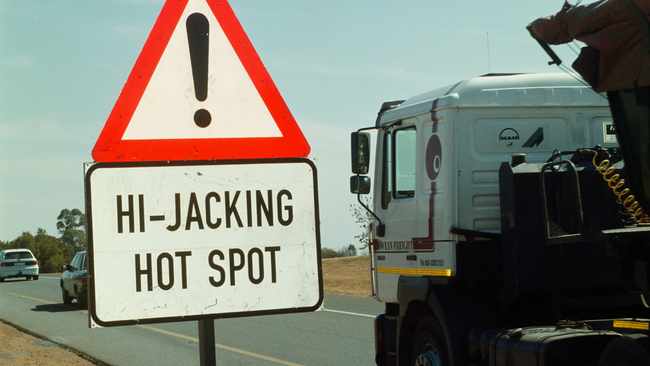
South Africa Truck Hijacking Assessment 2026: Understanding Criminal Patterns, Hotspots and Emerging Threats An Intelligence Assessment Based on 127 Verified Truck Hijacking Incidents Recorded Between January 2026 and June 2026Published by Managa Risk Solutions Intelligence DeskDate: June 2026Category: Transport Security | Cargo Crime Intelligence | Risk Assessment   Executive Summary Truck hijackings continue to pose a significant threat to South Africa’s transport and logistics sector. This assessment examines 127 verified truck hijacking incidents recorded between January and June 2026 and identifies recurring criminal patterns, hotspots and modus operandi employed by truck hijacking syndicates. Key Findings Firearms were involved in approximately 81.1% of recorded incidents. Gauteng accounted for approximately 70.1% of all incidents. Ekurhuleni was the most affected district with 39 incidents. Friday was the most affected day of the week and the period between 06:00 and 12:00 recorded the highest concentration of incidents. Introduction Truck hijackings remain one of the most significant threats facing South Africa’s transport and logistics sector. The analysis indicates that truck hijackings are rarely opportunistic crimes and are often carefully planned operations conducted by organised criminal groups. Understanding the Threat Landscape The analysis reveals that firearms remain the primary tool used by offenders to gain control of vehicles and drivers. Criminal groups continue to exploit predictable transport operations and operational vulnerabilities. Common Modus Operandi Employed by Truck Hijacking Syndicates Recurring methods include armed vehicle interception, the use of multiple vehicles, driver isolation, road obstruction tactics and the exploitation of operational information. These methods demonstrate coordination and planning. Geographic Distribution of Truck Hijackings Gauteng accounted for approximately 70.1% of incidents. KwaZulu-Natal accounted for 7.9%, Eastern Cape 5.5%, Mpumalanga 4.7%, Free State and Western Cape 3.1% each, North West 2.4%, and Limpopo and Northern Cape 1.6% each. Day-of-Week Analysis Friday accounted for 24 incidents (18.9%), Tuesday and Wednesday 23 incidents each (18.1%), Monday 18 incidents (14.2%), Thursday 17 incidents (13.4%), Saturday 13 incidents (10.2%) and Sunday 9 incidents (7.1%). Emerging Threat Indicators Indicators include increased criminal activity along freight corridors, repeated incidents within specific operational areas, surveillance activity near logistics facilities and the targeting of high-value cargo. The Role of Intelligence-Led Security Intelligence-led security enables organisations to identify threats before they materialise through threat monitoring, route risk assessments and early warning intelligence. Managa Risk Solutions Intelligence Assessment Managa Risk Solutions assesses with moderate confidence that a significant proportion of truck hijackings involve pre-operational surveillance and prior knowledge of cargo movements. Information vulnerabilities within the logistics environment likely contribute to successful hijacking operations. Conclusion The findings demonstrate that truck hijacking remains a persistent and sophisticated threat. Organisations that integrate intelligence into operational planning are better positioned to protect personnel, cargo and assets. Need Intelligence-Led Early Warning Support? Managa Risk Solutions provides Early Warning Intelligence Alerts, Route Risk Assessments, Threat Monitoring, Geographic Risk Mapping, Incident Analysis, Strategic Intelligence Reporting and Situational Awareness Reporting. Disclaimer This assessment has been prepared by Managa Risk Solutions using verified truck hijacking incident data collected between January 2026 and June 2026.

Pillar Article Read More »

Pillar Article South Africa Truck Hijacking Assessment 2026: Understanding Criminal Patterns, Hotspots and Emerging Threats

Pillar Article South Africa Truck Hijacking Assessment 2026: Understanding Criminal Patterns, Hotspots and Emerging Threats An Intelligence Assessment Based on 127 Verified Truck Hijacking Incidents Recorded Between January 2026 and June 2026Published by Managa Risk Solutions Intelligence DeskDate: June 2026Category: Transport Security | Cargo Crime Intelligence | Risk Assessment Executive Summary Truck hijackings continue to pose a significant threat to South Africa’s transport and logistics sector. This assessment examines 127 verified truck hijacking incidents recorded between January and June 2026 and identifies recurring criminal patterns, hotspots and modus operandi employed by truck hijacking syndicates. Key Findings Firearms were involved in approximately 81.1% of recorded incidents. Gauteng accounted for approximately 70.1% of all incidents. Ekurhuleni was the most affected district with 39 incidents. Friday was the most affected day of the week and the period between 06:00 and 12:00 recorded the highest concentration of incidents. Introduction Truck hijackings remain one of the most significant threats facing South Africa’s transport and logistics sector. The analysis indicates that truck hijackings are rarely opportunistic crimes and are often carefully planned operations conducted by organised criminal groups. Understanding the Threat Landscape The analysis reveals that firearms remain the primary tool used by offenders to gain control of vehicles and drivers. Criminal groups continue to exploit predictable transport operations and operational vulnerabilities. Common Modus Operandi Employed by Truck Hijacking Syndicates Recurring methods include armed vehicle interception, the use of multiple vehicles, driver isolation, road obstruction tactics and the exploitation of operational information. These methods demonstrate coordination and planning. Geographic Distribution of Truck Hijackings Gauteng accounted for approximately 70.1% of incidents. KwaZulu-Natal accounted for 7.9%, Eastern Cape 5.5%, Mpumalanga 4.7%, Free State and Western Cape 3.1% each, North West 2.4%, and Limpopo and Northern Cape 1.6% each. Day-of-Week Analysis Friday accounted for 24 incidents (18.9%), Tuesday and Wednesday 23 incidents each (18.1%), Monday 18 incidents (14.2%), Thursday 17 incidents (13.4%), Saturday 13 incidents (10.2%) and Sunday 9 incidents (7.1%). Emerging Threat Indicators Indicators include increased criminal activity along freight corridors, repeated incidents within specific operational areas, surveillance activity near logistics facilities and the targeting of high-value cargo. The Role of Intelligence-Led Security Intelligence-led security enables organisations to identify threats before they materialise through threat monitoring, route risk assessments and early warning intelligence. Managa Risk Solutions Intelligence Assessment Managa Risk Solutions assesses with moderate confidence that a significant proportion of truck hijackings involve pre-operational surveillance and prior knowledge of cargo movements. Information vulnerabilities within the logistics environment likely contribute to successful hijacking operations. Conclusion The findings demonstrate that truck hijacking remains a persistent and sophisticated threat. Organisations that integrate intelligence into operational planning are better positioned to protect personnel, cargo and assets. Need Intelligence-Led Early Warning Support? Managa Risk Solutions provides Early Warning Intelligence Alerts, Route Risk Assessments, Threat Monitoring, Geographic Risk Mapping, Incident Analysis, Strategic Intelligence Reporting and Situational Awareness Reporting. Disclaimer This assessment has been prepared by Managa Risk Solutions using verified truck hijacking incident data collected between January 2026 and June 2026.

Pillar Article South Africa Truck Hijacking Assessment 2026: Understanding Criminal Patterns, Hotspots and Emerging Threats Read More »

The Hidden Cost of Ignoring Early Warnings in South Africa

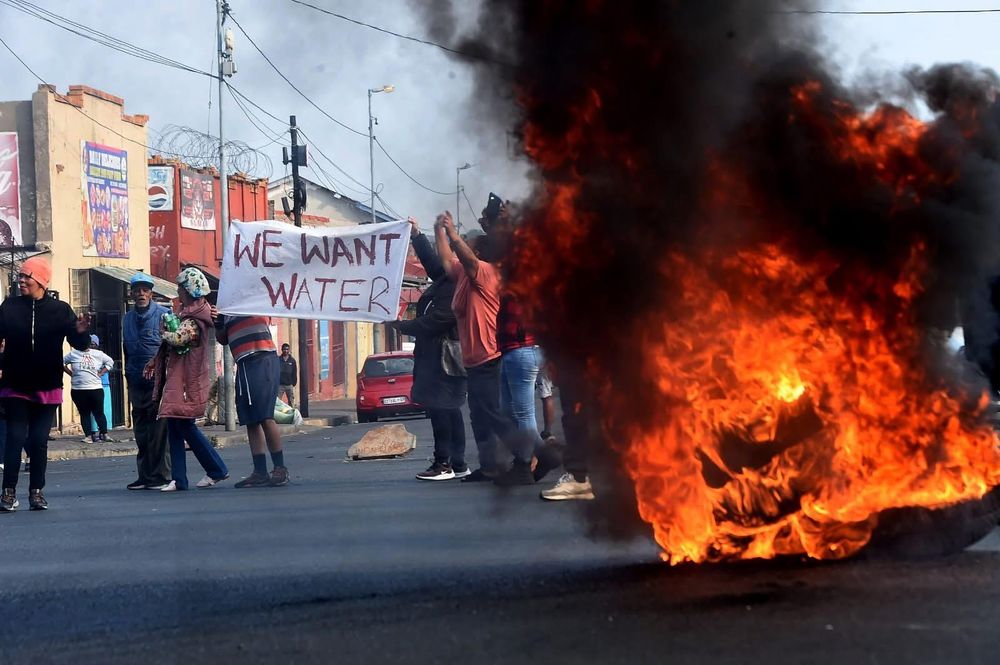
In South Africa’s rapidly changing operational environment, businesses are no longer disrupted only by major national crises. Increasingly, operational losses are being driven by localized protests, route disruptions, labour unrest, criminal activity, infrastructure failures, and community instability that escalate with little notice. For many organizations, the real challenge is not the incident itself ,  it is the failure to detect warning signs early enough to prepare. This is where early warning intelligence becomes a critical operational tool rather than a luxury. The Lesson from South Africa’s 2021 Civil Unrest The July 2021 unrest in South Africa demonstrated how quickly operational environments can deteriorate when warning indicators are underestimated or ignored. Before the unrest escalated, there were already signs of growing tensions:• Increasing social media mobilisation• Public calls for shutdowns and protests• Community instability• Growing disruptions along key transport routes• Escalating political and social tensions Yet many businesses were still caught unprepared when widespread looting, violence, route blockages, and supply chain disruptions unfolded across KwaZulu-Natal and Gauteng. The consequences were severe:• Warehouses and retail facilities were destroyed• Major transport routes were disrupted• Fleet operations were halted• Security teams were overwhelmed• Businesses suffered billions in losses• Supply chains experienced widespread disruption For security and logistics operators, the unrest exposed a harsh reality: Reactive operations are no longer enough in South Africa’s risk environment. Organizations with stronger situational awareness, proactive monitoring, and operational contingency planning were able to respond faster, protect assets more effectively, and reduce operational exposure. The events of 2021 reinforced a critical lesson:Early warning intelligence can significantly improve operational resilience during periods of instability. The Reality Facing Security and Logistics Teams Security and logistics operations remain under constant pressure to maintain continuity while navigating unpredictable risks. Security teams must manage:• Protest-related disruptions• Facility threats• Route security concerns• Crowd management risks• Unplanned operational escalations• Delayed incident response At the same time, logistics and fleet operators face:• Hijacking hotspots• Delivery delays• Route closures• Fuel losses caused by rerouting• Driver safety risks• Supply chain interruptions• Increased insurance and operational costs The common factor in many of these incidents is that warning indicators often existed beforehand , but were either missed, ignored, or received too late to act effectively. The Cost of Reactive Operations Many businesses still operate reactively: An incident occurs first, then teams respond afterward. While response capability remains important, relying only on reaction creates several hidden costs: Operational DowntimeA single blocked route, protest action, or security incident can delay deliveries, interrupt production schedules, and affect client commitments. Increased Exposure to CrimeSecurity threats such as opportunistic theft, cargo hijackings, and unrest-related criminality often increase during periods of instability. Without early visibility, teams are deployed into high-risk environments unprepared. Poor Resource AllocationWhen organizations lack real-time risk awareness, they often deploy security personnel, fleet assets, or operational teams inefficiently , increasing costs while reducing effectiveness. Reputational DamageClients expect reliability. Repeated operational disruptions weaken confidence and may damage long-term business relationships. Decision-Making Under PressureWithout early warning systems, leadership is forced to make operational decisions during active crises instead of preparing beforehand. Why Early Warning Intelligence Matters Early warning intelligence provides organizations with time , and time is one of the most valuable assets during operational disruptions. Proactive monitoring allows businesses to:• Identify developing threats before escalation• Monitor protest activity and route disruptions• Adjust operational deployments early• Protect personnel and assets• Improve communication during incidents• Reduce unnecessary exposure to high-risk areas• Maintain operational continuity For logistics operators, this may mean rerouting vehicles before roads are blocked. For security teams, it may mean increasing readiness before unrest reaches critical levels. For executives, it means making informed operational decisions with situational awareness rather than assumptions. South Africa’s Risk Environment Requires Proactive Thinking South Africa’s operating environment remains highly dynamic. Businesses can no longer rely solely on traditional incident response models. The organizations that adapt successfully are those that:• Prioritize visibility• Monitor emerging risks continuously• Integrate intelligence into operational planning• Treat early warnings as part of business continuity strategy Operational resilience today depends not only on how organizations respond to incidents , but how early they see them coming. While response capability remains important, relying only on reaction creates several hidden costs: Operational DowntimeA single blocked route, protest action, or security incident can delay deliveries, interrupt production schedules, and affect client commitments. Increased Exposure to CrimeSecurity threats such as opportunistic theft, cargo hijackings, and unrest-related criminality often increase during periods of instability. Without early visibility, teams are deployed into high-risk environments unprepared. Poor Resource AllocationWhen organizations lack real-time risk awareness, they often deploy security personnel, fleet assets, or operational teams inefficiently , increasing costs while reducing effectiveness. Reputational DamageClients expect reliability. Repeated operational disruptions weaken confidence and may damage long-term business relationships. Decision-Making Under PressureWithout early warning systems, leadership is forced to make operational decisions during active crises instead of preparing beforehand. Why Early Warning Intelligence Matters Early warning intelligence provides organizations with time , and time is one of the most valuable assets during operational disruptions. Proactive monitoring allows businesses to:• Identify developing threats before escalation• Monitor protest activity and route disruptions• Adjust operational deployments early• Protect personnel and assets• Improve communication during incidents• Reduce unnecessary exposure to high-risk areas• Maintain operational continuity For logistics operators, this may mean rerouting vehicles before roads are blocked. For security teams, it may mean increasing readiness before unrest reaches critical levels. For executives, it means making informed operational decisions with situational awareness rather than assumptions. South Africa’s Risk Environment Requires Proactive Thinking South Africa’s operating environment remains highly dynamic. Businesses can no longer rely solely on traditional incident response models. The organizations that adapt successfully are those that:• Prioritize visibility• Monitor emerging risks continuously• Integrate intelligence into operational planning• Treat early warnings as part of business continuity strategy Operational resilience today depends not only on how organizations respond to incidents , but how early they see them coming. Final Thoughts Ignoring early warning indicators does not eliminate risk. It only reduces preparation time. The 2021 unrest served as a national

The Hidden Cost of Ignoring Early Warnings in South Africa Read More »